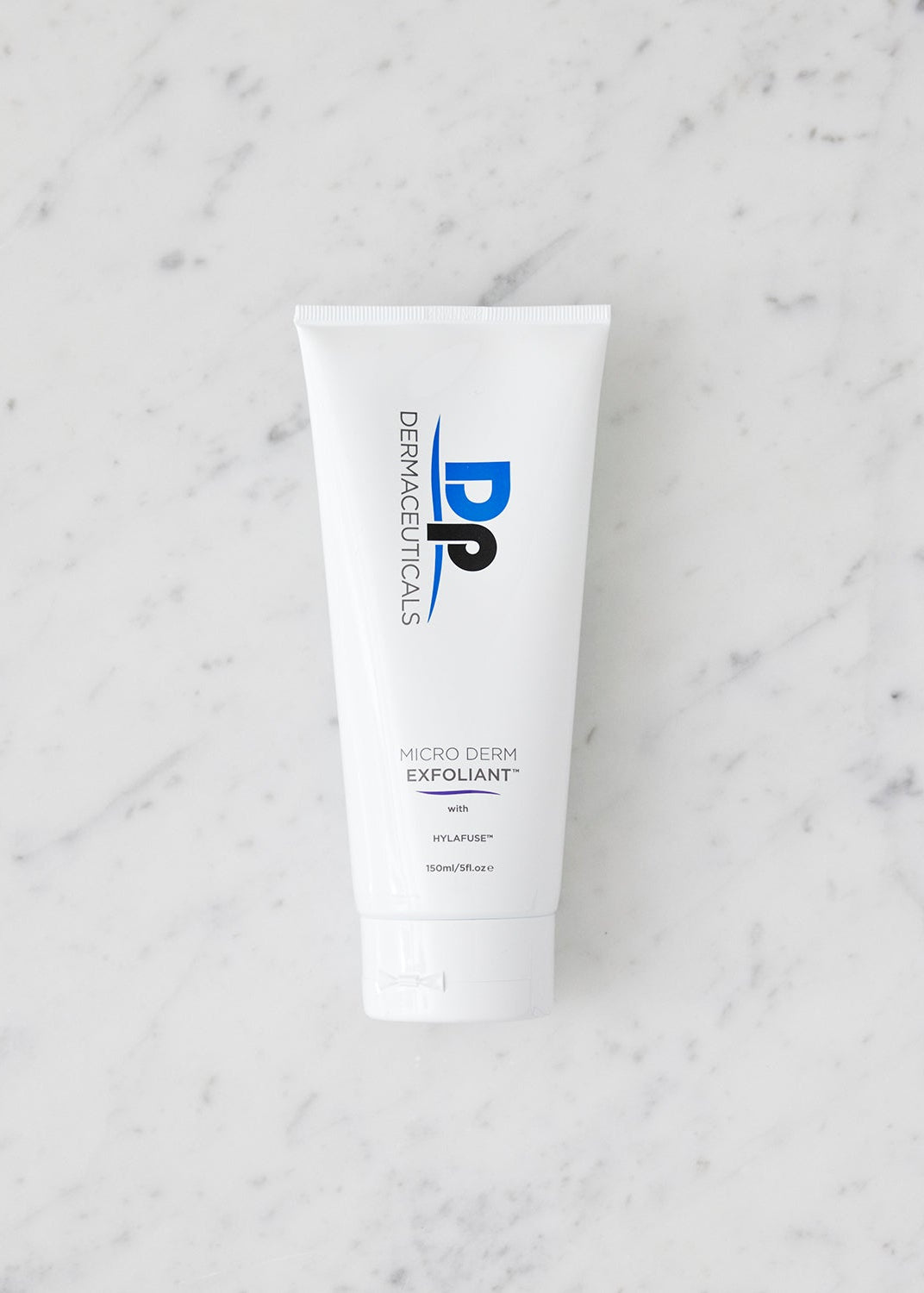
Exfoliation
Why is skin exfoliation important?
Exfoliation in skincare is an important process because it helps remove dead skin cells from the skin's surface. This is important for several reasons:
-
Improves skin texture: Exfoliation removes dead skin cells that can make the skin appear dull, uneven, and rough. This results in a smoother, more uniform skin surface.
-
Increases cell renewal: By removing the top layers of dead skin cells, exfoliation stimulates the skin's natural process of cell renewal. This can give you a fresher, more youthful glow.
-
Reduces clogged pores: Exfoliation can help remove excess sebum and prevent clogged pores, which can reduce the risk of acne and breakouts.
- Increases the effectiveness of other products: Exfoliation can improve the penetration of other skincare products, such as moisturizers and serums, as they can more easily penetrate the newly exfoliated skin layers.
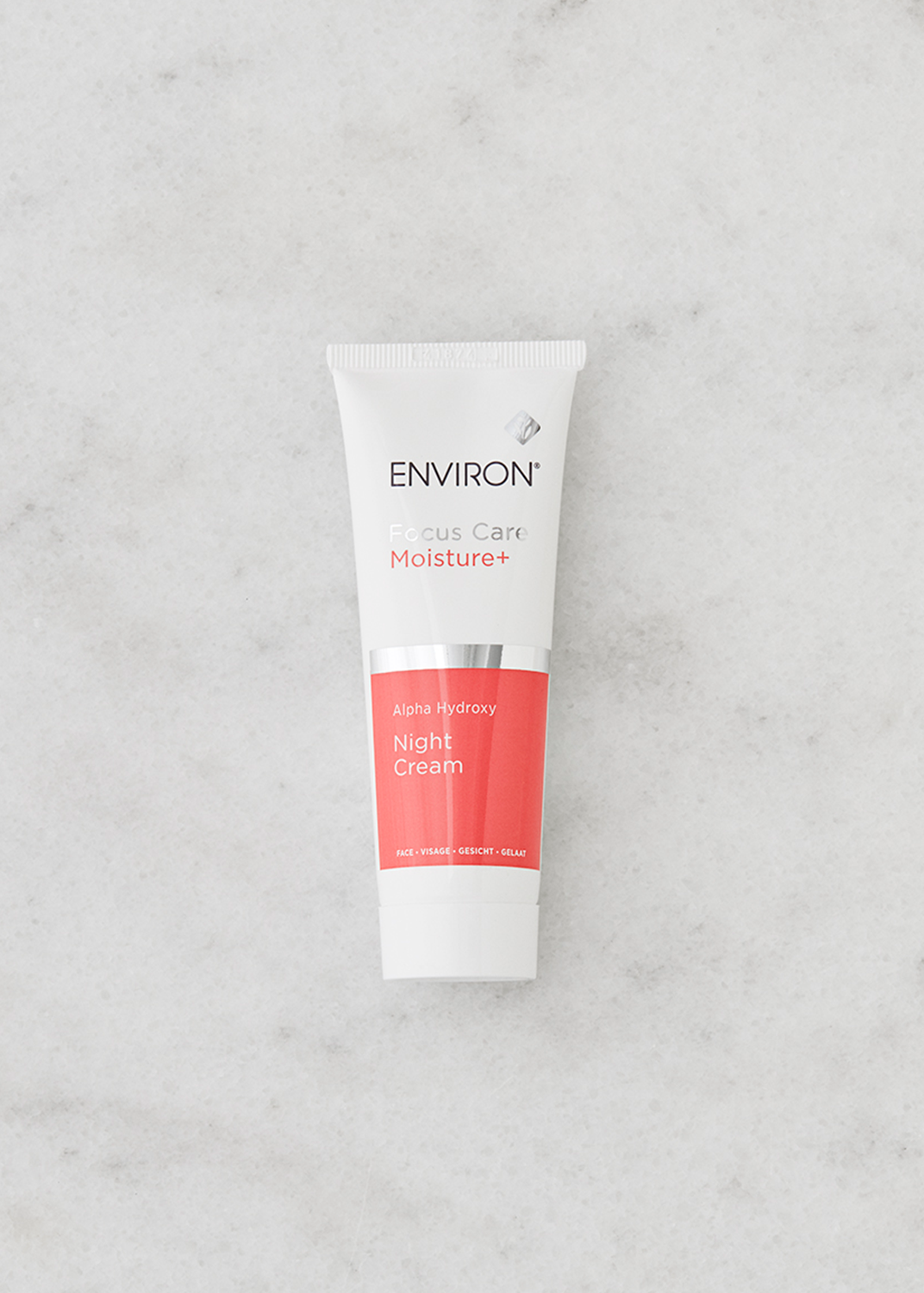
There are two main types of exfoliation: mechanical exfoliation and chemical exfoliation. Mechanical exfoliation involves using grainy products or tools, such as scrubs or brushes, to remove dead skin cells by scrubbing them away. Chemical exfoliation uses acids, such as alpha hydroxy acids (AHA) or beta hydroxy acids (BHA), to dissolve dead skin cells.
It is important to choose the right exfoliation method and product for your skin type and needs to avoid irritation or damage to the skin. Over-exfoliation can cause redness, irritation, and sensitivity, so it is important to use exfoliating products with care and not overdo it. If you are unsure which exfoliation method is best for your skin, it may be a good idea to consult a skincare expert or dermatologist.